Ever wondered why one tiny emoji can make a text feel ten times funnier?
A few days ago, I sent a joke to a friend expecting a simple “lol.” Instead, they replied with a string of 😂😂😂 emojis.
Somehow, that tiny face with tears of joy made the conversation feel much more genuine. Later, I realized people use the Laugh Cry Emoji in many different ways reacting to memes, showing awkward laughter, expressing pure happiness, or even laughing through embarrassing moments.
If you’ve ever wondered what the laugh cry emoji really means, how to copy and paste it, when to use it, or why some people prefer 🤣 instead, this guide covers everything you need to know.
What does laugh cry emoji mean?
The laugh cry emoji (😂) officially represents Face with Tears of Joy. It shows someone laughing so hard that tears are streaming down their face.
Common meanings
- Laughing at something extremely funny
- Reacting to hilarious memes or videos
- Showing joyful excitement
- Laughing at your own mistake
- Softening a sarcastic or playful message
- Expressing “I can’t stop laughing!”
Emotional meanings in different situations
| Situation | Meaning |
| Friend sends a funny meme | “This is hilarious!” |
| Embarrassing story | “I’m laughing at myself.” |
| Family group chat | Warm, happy laughter |
| TikTok comments | Genuine amusement |
| Casual texting | Friendly and lighthearted tone |
Is 😂 always positive?
Mostly yes.
However, context matters. Sometimes people use it to show:
- Nervous laughter
- Awkward situations
- Laughing to hide embarrassment
- Playful sarcasm
For example:
“I forgot my wallet again 😂”
Here, the emoji softens the mistake instead of showing serious frustration.
How to use laugh cry emoji emojis
The laugh cry emoji works across almost every messaging app and social platform.
In text messages
- That was the funniest thing I’ve seen today 😂
- You seriously did that? 😂
- I can’t stop laughing 😂😂
On Instagram
Perfect for:
- Funny captions
- Meme comments
- Reels
- Story replies
Example:
Weekend plans? Sleeping all day 😂
On TikTok
TikTok users often combine it with other expressive emojis.
Examples:
- 😂💀
- 😂😭
- 🤣😂
- 😂✨
On WhatsApp
Use it for:
- Family chats
- Group conversations
- Funny voice notes
- Sharing jokes
When not to use it
Avoid using 😂 when someone is:
- Sharing sad news
- Talking about serious topics
- Asking for professional advice
- Discussing sensitive situations
Best emoji combinations for copy paste
Ready-to-use combinations you can copy instantly.
Funny combinations
😂😂😂
🤣😂
😂😭
😂💀
😂🙈
😂👏
😂🔥
😂✨
😂🤦
😂❤️
Best friend combos
😂💛
😂🤝
😂👯
😂🍕
😂🎉
Social media reactions
😂🔥
😂💯
😂👏
😂🎯
😂🙌
Cute combinations
🥹😂
😂🌸
😂💖
😂✨
😊😂
Chaotic meme vibes
😂😭💀
🤣😂😭
😂🙃
😂🤡
😂😅
Aesthetic emoji ideas for social media
The laugh cry emoji isn’t just for jokes it also adds personality to captions, bios, and comments.
Cute aesthetic
😂🌸☁️
😂🩷✨
😂🌼🤍
Soft aesthetic
🤍😂🫶
☁️😂🌙
🌷😂✨
Funny creator style
😂🎬
😂📸
😂💻
😂🎧
Viral TikTok look
😂💀✨
😂😭🔥
🤣😂💯
Instagram captions
- Living my best life 😂✨
- Still laughing about yesterday 😂
- Chaos but make it aesthetic 😂🌸
- Every day feels like a meme 😂
Common problems and solutions
Why does the laugh cry emoji look different on different phones?
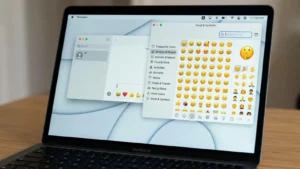
Each company designs emojis differently. Apple, Google, Samsung, Microsoft, and other platforms use their own artwork while keeping the same meaning.
Why does someone use 😂 instead of 🤣?
Generally:
- 😂 feels classic and friendly.
- 🤣 often shows even stronger laughter.
Many people use both together.
Why does my emoji appear as a square box?
Possible reasons include:
- Outdated operating system
- Older app version
- Unsupported font
- Device compatibility issues
Updating your device usually fixes this.
Can the laugh cry emoji be misunderstood?
Yes.
Some younger users may prefer 💀 or 😭 to express intense laughter, while others still use 😂 every day. Always consider the audience and context.
Trending emoji usage in 2026
The laugh cry emoji remains one of the world’s most recognizable emojis, even as newer trends emerge.
Popular combinations in 2026
- 😂💀
- 😂😭
- 🤣😂
- 😂🫶
- 😂✨
- 😂🔥
Current social media trends
- Meme reactions
- TikTok comment sections
- Instagram Reels
- Gaming chats
- WhatsApp family groups
- Discord conversations
Is 😂 still popular?
Absolutely.
While younger users sometimes replace it with 💀 or 😭 for exaggerated laughter, 😂 continues to be one of the safest and most universally understood emojis online.
FAQs
What does the laugh cry emoji mean?
It represents laughing so hard that tears come out, expressing genuine amusement or joy.
Can I copy and paste the laugh cry emoji?
Yes. Simply copy this:
😂
and paste it anywhere.
Is 😂 different from 🤣?
Yes. 😂 shows tears of joy, while 🤣 suggests rolling on the floor laughing with even stronger laughter.
Why do people use 😂 after every sentence?
It makes messages feel more casual, friendly, playful, and less serious.
Does the laugh cry emoji mean sarcasm?
Sometimes. Depending on the conversation, it can soften sarcasm or playful teasing.
Is the laugh cry emoji still popular in 2026?
Yes. Although newer trends use 💀 and 😭 for extreme laughter, 😂 remains one of the most popular emojis across Instagram, TikTok, WhatsApp, Facebook, and messaging apps.
Conclusion:
The Laugh Cry Emoji continues to be one of the easiest ways to express happiness, humor, and genuine amusement online.
If you’re reacting to a hilarious meme, sharing a funny story with friends, or adding personality to an Instagram caption, 😂 instantly makes conversations feel warmer and more engaging.
Its meaning is simple enough for everyone to understand, yet flexible enough to fit playful jokes, awkward moments, and everyday chats.
Even with new emoji trends appearing across TikTok and other social platforms in 2026, the laugh cry emoji remains a timeless favorite because it communicates laughter in a way words often can’t.
Keep a few emoji combinations ready to copy and paste, use them naturally, and always match your emoji to the tone of the conversation.
When used thoughtfully, the laugh cry emoji helps your messages feel authentic, expressive, and memorable wherever you chat online.